Starting with bank account, this paragraph aims to provide a captivating overview of the topic, delving into the different aspects of managing your finances.
From understanding the types of bank accounts available to tips on opening and managing them effectively, this guide covers all the essentials you need to know about bank accounts.





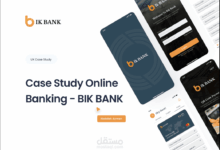
Overview of Bank Accounts
Having a bank account is essential for managing your finances efficiently. There are different types of bank accounts available to cater to various needs and preferences.
Types of Bank Accounts
- Savings Account: Ideal for saving money and earning interest on the balance.
- Checking Account: Used for everyday transactions like paying bills and making purchases.
- Money Market Account: Combines features of both savings and checking accounts, offering higher interest rates.
- Certificate of Deposit (CD): A fixed-term account that earns a higher interest rate in exchange for locking in your funds for a specific period.
Purpose of Having a Bank Account
Bank accounts provide a secure place to store your money, make transactions, and build a financial history. They offer convenience, safety, and access to various banking services.
Benefits of Having a Bank Account
- Security: Banks provide FDIC insurance, protecting your deposits up to a certain amount.
- Convenience: Access your funds anytime through ATMs, online banking, and mobile apps.
- Interest: Certain accounts earn interest on your balance, helping your money grow over time.
- Financial Management: Keep track of your transactions, set up automatic payments, and monitor your spending.
Opening a Bank Account
Opening a bank account is a crucial step towards managing your finances effectively. It provides a secure place to store your money, convenient access to various banking services, and helps you build a relationship with a financial institution.
Documents Required
When opening a bank account, you will typically need to provide the following documents:
- Valid identification such as a passport, driver’s license, or national ID card.
- Proof of address, which can be a utility bill, rental agreement, or government-issued document.
- Social Security number or equivalent identification number.
- Initial deposit amount, which varies depending on the type of account you are opening.
Opening Process
The process of opening a bank account usually involves the following steps:
- Choose the type of account that suits your needs (savings, checking, etc.).
- Visit the bank branch in person or apply online through the bank’s website.
- Complete the account opening application form with your personal details and submit the required documents.
- Verify your identity through a photo ID or other means as requested by the bank.
- Make the initial deposit required to activate the account.
- Sign any necessary documents and agree to the terms and conditions of the account.
Methods of Opening
There are different methods available for opening a bank account, including:
- In-person: Visiting a bank branch and completing the account opening process with the assistance of a bank representative.
- Online: Applying for an account through the bank’s website or mobile app, submitting scanned copies of the required documents, and completing verification online.
- Through mail: Sending the required documents by mail to the bank and receiving the account details through post.
Managing Bank Accounts
Effective management of a bank account is crucial to maintain financial stability and security. By following some key tips and strategies, you can ensure that your bank account is well-maintained and secure.
Regular Monitoring of Account Activity
It is essential to monitor your bank account activity regularly to detect any unauthorized transactions or errors. By reviewing your account statements and online transactions frequently, you can quickly identify any suspicious activity and report it to your bank.
- Check your account balance daily or weekly to track your spending and ensure there are no unexpected charges.
- Review your monthly bank statements carefully to verify all transactions and ensure accuracy.
- Use online banking or mobile apps to monitor your account activity in real-time and set up notifications for any deposits, withdrawals, or purchases.
Setting Up Alerts for Bank Account Transactions
Setting up alerts for your bank account transactions is a proactive way to stay informed about any activity on your account. By customizing alerts based on your preferences, you can receive notifications for specific types of transactions or account balances.
- Set up alerts for large withdrawals or purchases to be notified immediately of any significant changes in your account balance.
- Enable alerts for low balances to avoid overdraft fees and ensure you have sufficient funds in your account.
- Receive notifications for any online or card transactions to detect any fraudulent activity promptly.
Online Banking
Online banking refers to the digital platform provided by banks for customers to carry out various financial transactions and activities over the internet. It offers a convenient way for users to manage their bank accounts from anywhere at any time.
Features of Online Banking
- View account balances and transaction history
- Transfer funds between accounts
- Pay bills online
- Set up recurring payments
- Deposit checks remotely
Security Measures in Online Banking
Online banking platforms implement various security measures to protect users’ sensitive information and prevent fraudulent activities. Some common security measures include:
- Encryption of data: All information transmitted between the user’s device and the bank’s servers is encrypted to prevent unauthorized access.
- Multi-factor authentication: Users are required to provide multiple forms of identification to access their accounts, such as passwords, security questions, and one-time codes.
- Monitoring and alerts: Banks monitor accounts for suspicious activities and send alerts to users for any unusual transactions.
- Firewalls and anti-virus software: Banks use firewalls and anti-virus software to protect their systems from cyber threats.
Comparison with Traditional Banking Methods
Online banking offers several advantages over traditional banking methods, such as:
- Convenience: Users can access their accounts and carry out transactions anytime, anywhere, without visiting a physical branch.
- Cost-effectiveness: Online banking reduces the need for paper-based processes, saving time and money for both customers and banks.
- Speed: Transactions through online banking are processed faster compared to traditional methods like cheques or in-person visits.
- Accessibility: Online banking allows users to easily track their finances, set up alerts, and manage their accounts efficiently.
Bank Account Fees
When it comes to bank accounts, fees are an important aspect to consider as they can impact your overall financial health. Understanding the common fees associated with bank accounts, knowing how to avoid or minimize them, and calculating the total cost of maintaining a bank account are essential for managing your finances effectively.
Identifying Common Bank Account Fees
Bank account fees can vary depending on the financial institution and the type of account you have. Some of the common fees you may encounter include:
- Monthly maintenance fees
- Overdraft fees
- ATM fees
- Minimum balance fees
- Transaction fees
- Wire transfer fees
Ways to Avoid or Minimize Bank Account Fees
There are several strategies you can use to avoid or minimize bank account fees:
- Choose a bank with no or low fees
- Maintain the minimum balance required by your bank
- Opt for electronic statements instead of paper statements
- Avoid overdrawing your account
- Use ATMs affiliated with your bank to avoid out-of-network ATM fees
Calculating the Total Cost of Maintaining a Bank Account
Calculating the total cost of maintaining a bank account involves adding up all the fees you incur over a certain period, such as a month or a year. The formula for calculating the total cost is:
Total Cost = Monthly Maintenance Fees + Overdraft Fees + ATM Fees + Minimum Balance Fees + Transaction Fees + Wire Transfer Fees
By keeping track of your fees and understanding how they add up, you can make informed decisions about managing your bank account effectively.
Savings Accounts
Having a savings account offers various benefits that can help individuals achieve their financial goals. It provides a secure place to store money, earn interest on savings, and easily access funds when needed.
Interest Rates for Savings Accounts
Interest rates for savings accounts determine how much money you can earn on your deposits over time. The higher the interest rate, the more your savings will grow. It’s important to compare different banks and their interest rates to maximize your earnings.
- Interest is typically calculated on a daily or monthly basis.
- Compound interest allows you to earn interest on both your initial deposit and the interest you have already earned.
- Consider a high-yield savings account for better interest rates compared to traditional savings accounts.
- Keep an eye on changing interest rates to take advantage of better opportunities.
Maximizing Savings Through a Savings Account
To make the most of your savings account, consider the following tips:
- Set up automatic transfers to your savings account to consistently grow your savings.
- Create a budget to allocate a portion of your income towards savings each month.
- Avoid unnecessary fees by maintaining the minimum balance required by your bank.
- Regularly review your savings goals and adjust your contributions accordingly.
Checking Accounts
Checking accounts are a type of bank account that allows you to easily access your funds for everyday transactions. These accounts typically come with features such as check-writing capabilities, debit cards, and online banking.
Features of a Checking Account
- Ability to write checks to make payments
- Debit card for easy access to funds
- Online banking for convenient account management
- Overdraft protection to prevent declined transactions
Difference Between Checking and Savings Account
Checking accounts are designed for everyday transactions, while savings accounts are meant for storing money and earning interest over time. Checking accounts typically have lower interest rates compared to savings accounts.
Tips for Managing a Checking Account Efficiently
- Regularly monitor your account balance to avoid overdrafts
- Set up alerts for low balances or large transactions
- Record all transactions in a check register or budgeting app
- Avoid unnecessary fees by staying within your account limits
Joint Bank Accounts
A joint bank account is a type of account that is shared between two or more individuals, allowing each account holder to deposit and withdraw funds.
Advantages and Disadvantages
- Advantages:
- Convenient for managing shared expenses, such as household bills or joint savings goals.
- All account holders have equal access to funds, making it easier to monitor transactions.
- In case of emergency, any account holder can access funds quickly.
- Disadvantages:
- Each account holder is equally responsible for any debts or overdrafts incurred on the account.
- Disagreements among account holders can lead to financial disputes.
- Privacy concerns as all account holders can view transactions and account details.
Tips for Managing a Joint Bank Account
- Communicate openly and regularly with the other account holder(s) about financial decisions and transactions.
- Set clear guidelines and boundaries for spending to avoid misunderstandings.
- Monitor the account regularly to ensure all transactions are authorized and to detect any unusual activity.
- Consider setting up alerts or notifications for large transactions or low balances.
Closing a Bank Account
When it comes to closing a bank account, there are specific steps that need to be followed to ensure a smooth process. It’s essential to understand the consequences of closing an account and how to transfer funds beforehand to avoid any complications.
Steps to Close a Bank Account
- Contact the bank: Reach out to your bank either in person, over the phone, or through their online platform to initiate the account closure process.
- Settle any outstanding balance: Make sure to clear any pending payments or fees associated with the account before closing it.
- Submit a written request: Some banks may require a formal written request to close the account, so be prepared to provide this if necessary.
- Collect remaining funds: Withdraw any remaining balance from the account either in cash or through a transfer to another account.
- Get confirmation: Once the account closure request has been processed, make sure to obtain a confirmation from the bank for your records.
Consequences of Closing a Bank Account
- Impact on credit score: Closing a bank account may affect your credit score, especially if it was your oldest account or if it results in a higher credit utilization ratio.
- Loss of banking history: Closing an account means losing the history associated with it, which can be relevant for future financial decisions.
- Account closure fees: Some banks may charge a fee for closing an account, so it’s essential to be aware of any potential costs involved.
Transferring Funds before Closing a Bank Account
- Update payment methods: Make sure to update any automatic payments or direct deposits linked to the account with a new account to avoid disruptions.
- Transfer funds: Transfer the remaining funds in the account to another account to ensure a smooth transition and avoid any issues with accessing your money.
- Close the account: Once all funds have been transferred and pending transactions cleared, proceed with closing the account following the steps provided by the bank.
Final Conclusion
Wrapping up our discussion on bank accounts, it’s clear that having a solid understanding of how they work is crucial for financial stability. By following the tips and guidance provided, you can make the most out of your banking experience.

Hi, I’m Lauren. As a digital enthusiast and storyteller, I love breaking down complex ideas into easy-to-read articles. My goal is to provide readers with fresh perspectives and helpful solutions through every piece I write.